Imagine going through life with a big rucksack in which you put all the skills you develop over the years. It would contain such skills as communicating, learning, teamworking, problem solving, reading, writing – the list is endless. You'll soon realise you have quite a big load to carry already.
That's great – but that rucksack will get even heavier and heavier as you go on gaining new skills. And you could easily forget which are the skills you really love using.
Worse still, you might not get the chance to use the skills you love regularly. This is why you need to sort out and focus on your STAR skills – the ones you both love using and are really good at.

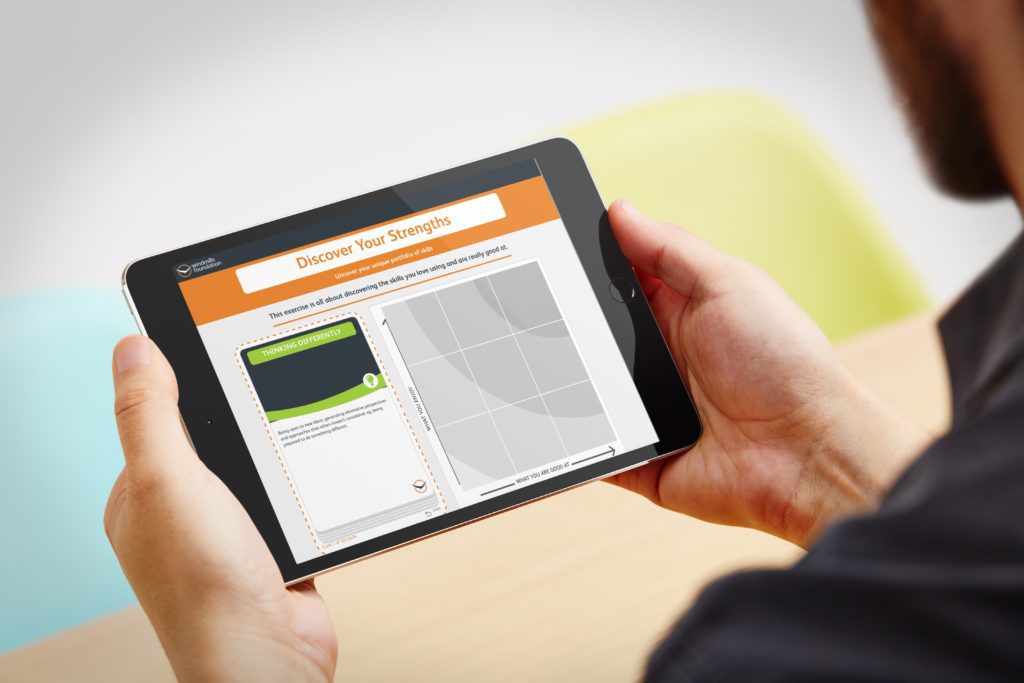
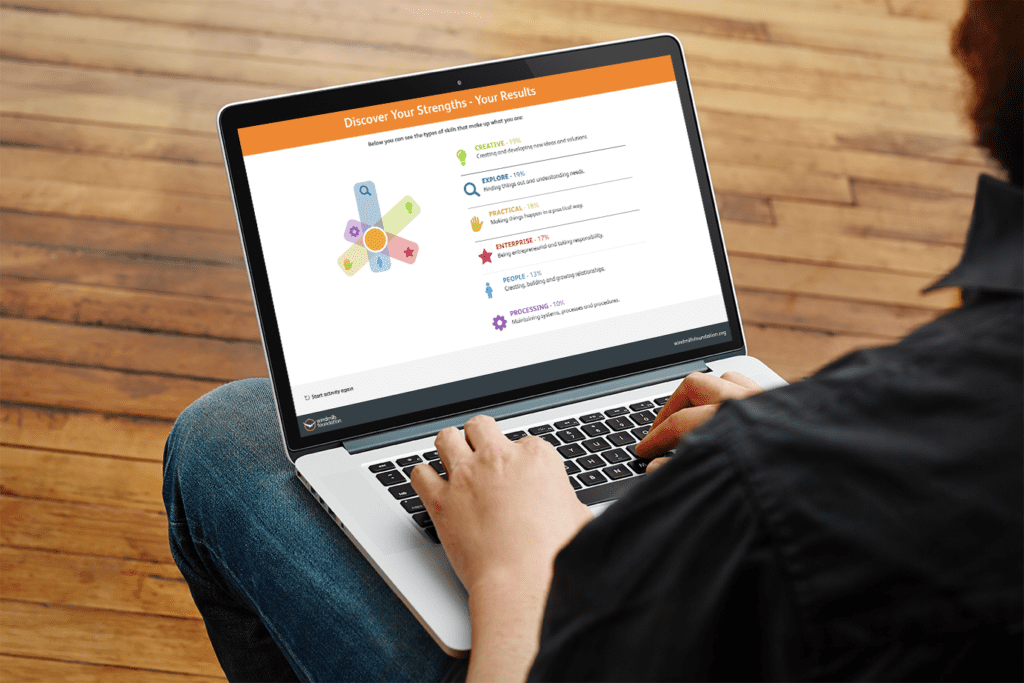
Below you will see a list of STAR skills you might have.
1. Tick all the skills you love using.
2. Then, look at the skills you've ticked and think about those you are good at.
3. Now, from these skills, decide which are your top six.
These are your STAR skills.

Identifying what people want to buy and making a sale. eg. raffle tickets, car boot.
Developing plans and goals and getting people to achieve them. eg: prefect, sports team captain.
Being an entrepreneur, taking risks and using your initiative. eg: using eBay, young enterprise.
Setting up and seizing opportunities. Handling pressure and coping with rejection. eg: finding work experience or developing a business idea.
Building relationships and sharing skills and talents. eg: joining a youth group, volunteering, being a buddy.
Planning and managing money. eg: running a school shop, managing a bank account/savings.
Using IT packages and programming skills. eg: building websites, using IT creatively for coursework, doing computer upgrades/repairs.
Writing and translating text. Painting and drawing. eg: creating stories and images.
Administration, working in a structured way and meeting deadlines. eg: taking notes from lessons and sorting coursework.
Checking progress and performance. Evaluating results. Updating plans. eg: fantasy football, following fashion.
Talking, presenting, using languages and listening. eg: speaking up in a group, making presentations, taking part in a drama group.
Valuing others, building relationships, understanding different cultures and viewpoints. eg: helping new people settle in.
Supporting others, volunteering to guide, coach and inspire people. eg: being a good friend or neighbour.
Working together, sharing skills, interests and views and handling conflict. eg: being in a team or club, playing in a band.
Using resources available to achieve a goal. Co-ordinating and organising. eg: arranging a charity event, party or holiday with friends.
Having a dream/ambition. Developing possibilities. Turning failure into success. eg: knowing what you want and how to get it.
Seeing new angles and ideas. Using intuition and getting a fresh perspective on things. eg: finding ways to do things differently from others.
Having new ideas and getting people thinking. eg: starting discussions at school/college/youth group or writing/ playing music.
Turning ideas into practice. Changing and combining ideas to get a better end result. eg: CDT, drawing, programming.
Identifying ways you can make use of various media. eg: music, dance, art, photography, web development.
Asking questions, examining answers and listening. eg: developing ideas for a holiday, subjects to take at GCSE/A Level.
Investigating and gathering information, identifying possibilities and thinking of alternatives. eg: conducting research projects, internet searches.
Studying, experimenting, reviewing and improving. eg: preparing coursework, revising for exams, practising music.
Analysing issues, exploring possibilities and finding solutions. eg: organising social events, fundraising activities or project work.
Understanding your personal strengths, interests and areas to develop. eg: knowing what part to play in a team situation, using a Record of Achievement.
Using machinery and technology. eg: operating electronic equipment, computers, a sewing machine, powertools.
Making, servicing, maintaining and fixing things. eg: bike/car/go-kart/computer repairs, baking, sewing.
Specialised use of hearing, sight, touch, smell and taste. eg: music, cookery.
Playing sport, exercising and eating healthily. eg: following a training and fitness programme, watching your diet.
Showing care for people and things. eg: gardening, animal care, minding young children, visiting grandparents or elderly neighbours.
Think about your life now; what you are involved in at the moment?
Are there more opportunities to use your STAR skills?
Find out what skills you may need to develop for work,
training or further education. Are there any gaps?
What actions could you take to fill these gaps and
develop these skills?
Create possibilities to develop the skills you 'love using' but could be better at.
These STAR skills will help you understand what you're good at and where you need to develop. They'll also be useful when you need to promote yourself on paper (eg: in your CV) and when face-to-face with people (eg: in an interview). Discovering your STAR skills will also help you to complete the next sections of STAR – your Treasures, Ambitions and Roles.